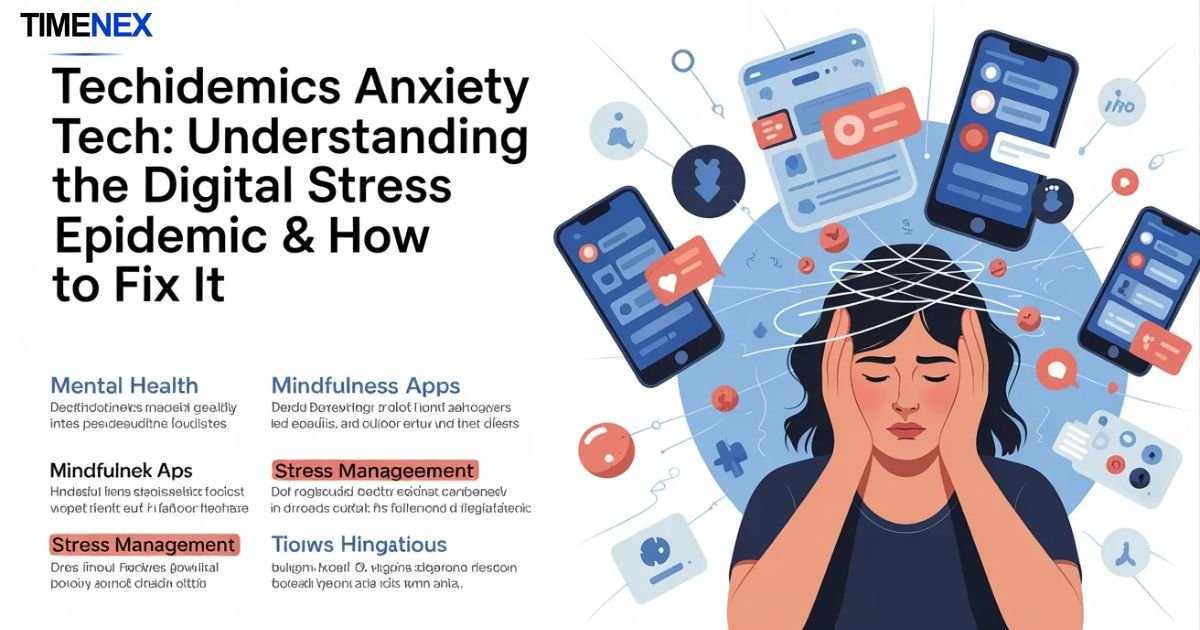
In today’s fast-paced Digital Age, many Americans find themselves struggling with a modern phenomenon known as Techidemics Anxiety Tech. As we navigate a complex Tech-driven world, the constant stream of notifications and digital demands can take a significant toll on our Mental Health.
This digital stress epidemic isn’t just about being busy; it is about how our brains react to the latest tools that never seem to turn off. Understanding the roots of Techidemics Anxiety Tech is the first step toward reclaiming your peace of mind. By making healthier technology choices, individuals can move away from constant digital overwhelm and toward a more sustainable, balanced life.
What is Techidemics Anxiety Tech?
Techidemics Anxiety Tech refers to the specific type of stress that arises from the overuse of digital platforms and the pressure to stay constantly connected. It is a unique blend of “technology” and “epidemic,” suggesting that digital distress is spreading like a virus across the United States. This phenomenon involves the tension between the latest tools we use and our basic human need for quiet and focus.
The industry is also seeing the rise of Smarter technology designed to fix the very problems that screens created in the first place. By making healthier technology choices, people can learn to use Mindfulness Apps and other resources to lower their heart rates. The goal of studying anxiety tech academics is to find a way to enjoy progress without sacrificing our inner peace.
Common Symptoms: How to Identify Techidemics Anxiety
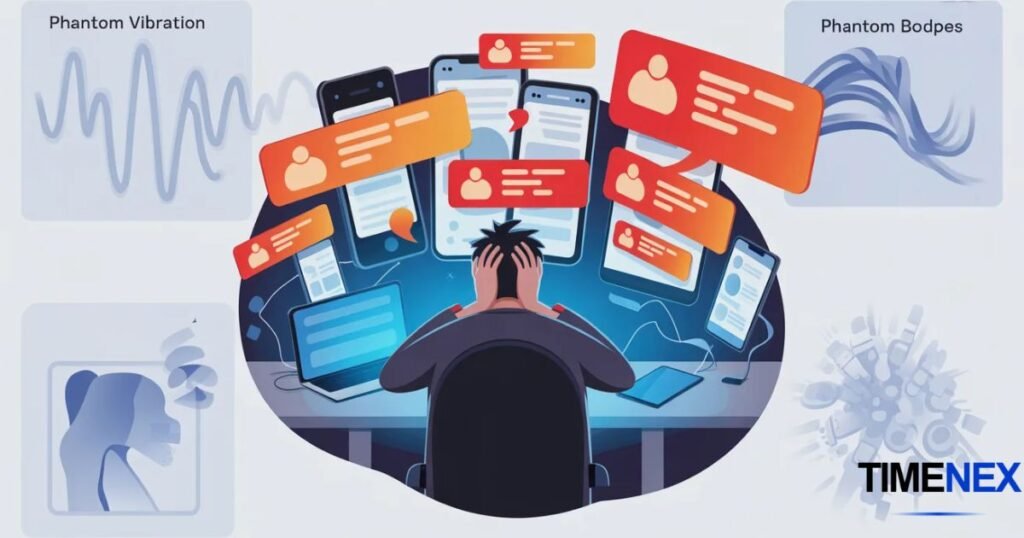
Identifying the signs of digital strain is the first step toward Stress Management. Many Americans suffer from “Phantom Vibration Syndrome,” where they feel their phone vibrating even when it is not in their pocket. Other symptoms include “Tech-neck” physical pain, blurred vision from blue light, and a constant feeling of being overwhelmed by simple daily tasks.
| Symptom Category | Common Signs of Techidemics |
| Physical | Headaches, Eye Strain, Neck Pain, Poor Sleep |
| Emotional | Irritability, FOMO, Feeling “Burned Out” |
| Behavioral | Constant Phone Checking, Social Withdrawal |
Major Causes: Why Technology is Fueling Our Stress
The primary cause of this stress is the “Always-On” culture that defines our Digital Age. Because we carry the internet in our pockets, we never truly leave the office or the social arena. This constant exposure leads to a state of high alert where the brain never gets a chance to enter a resting state.
Another major factor is the sheer volume of Innovations that demand our attention every single minute. From news alerts to social media updates, the brain is forced into a state of “Information Overload.” When we fail at Navigating stress effectively, these digital triggers turn into long-term anxiety disorders that require Expert Guidance to resolve.
The Psychological Impact of Notifications and Social Media
Social media platforms are designed to keep us scrolling through a process called “Variable Reward Loops.” Every time we receive a notification, our brain releases a small hit of dopamine, which makes us crave the next interaction. This cycle creates a dependency that makes Individual Balance almost impossible to achieve without a conscious effort to disconnect.
The constant comparison to others on these platforms further damages our Mental Health. We see the “Highlight Reels” of others and feel that our own lives are lacking, leading to deep feelings of inadequacy. To stay balanced, users must realize that these digital environments are often carefully curated and do not represent reality.
Emerging Tech Anxiety: AI, Automation, and Blockchain
The rapid rise of Artificial Intelligence and Blockchain has introduced a new layer of “Innovation Anxiety” for many workers in the USA. People worry that Smarter technology will eventually replace their jobs or make their current skills obsolete. This fear of the unknown creates a permanent state of professional unease that is hard to shake off.
Blockchain and cryptocurrency also add to this confusion because they are complex and often misunderstood. When technology moves faster than our ability to understand it, we feel a loss of control. Learning about these latest tools through Expert Guidance is often the only way to reduce the fear associated with these massive shifts.
Data Privacy and Cyber-Security Stress
Privacy concerns are a massive driver of Techidemics Anxiety Tech in the modern era. Many people feel a sense of “Digital Paranoia” knowing that their data is being tracked by various Innovations. The fear of identity theft or a major data breach keeps many users in a state of constant hyper-vigilance.
| Type of Tech Fear | Impact on User |
| Surveillance Anxiety | Feeling watched by smart speakers and cameras |
| Data Breach Stress | Fear of losing financial or personal information |
| Algorithmic Bias | Worrying that software is making unfair decisions |
Techidemics in the Workplace: Productivity Pressure
American workplace culture often rewards those who respond to emails instantly, regardless of the time of day. This creates a high-pressure environment where employees feel they can never truly “unplug.” This lack of boundaries is a primary driver of anxiety tech academics within the professional world.
Remote work has only made this worse by blurring the lines between our personal sanctuary and our professional space. Without clear boundaries, the home becomes a place of constant work-related triggers. Using Healthier technology habits, such as setting “Digital Office Hours,” is essential for long-term Stress Management.
Practical Solutions: Building Your “Zen Zone”
To combat these issues, individuals must create a “Zen Zone” which is a physical space entirely free of electronic devices. This could be the bedroom or the dining area where screens are strictly prohibited to allow for human connection. Making these Technology Choices helps the brain recover from the constant stimulation of the Tech-driven world.
Using Wearable Devices that track stress levels can also be a helpful part of the solution. These tools can alert you when your heart rate rises, prompting you to use Mindfulness Apps for a quick breathing exercise. By Navigating stress with these proactive steps, you can regain control over your digital life.
The Role of the Tech Industry in Mental Health
There is a growing movement in the USA calling for tech companies to take more responsibility for the mental health of their users. Some companies are now building “Digital Wellbeing” dashboards that show exactly how much time is spent on each app. These Innovations are a step in the right direction toward creating a more ethical digital landscape.
However, the responsibility also lies with the user to demand Healthier technology. As consumers, we have the power to choose platforms that prioritize our well-being over their own profit margins. By supporting companies that value Individual Balance, we can encourage the industry to shift its focus away from addictive design patterns.
Future Outlook: Can AI help Manage Tech Anxiety?
The future of anxiety tech may actually lie in Artificial Intelligence acting as a digital guardian. Imagine an AI that automatically silences notifications when it detects that you are stressed or tired. This kind of Smarter technology could help us stay balanced by acting as a filter between us and the chaotic internet.
According to a study by the American Psychological Association, “intentional technology use is the key to preventing burnout.” In the coming years, we will see more Latest tools that focus on “Passive Wellness.” These systems will work in the background to ensure that our Digital Age experience remains positive and productive.
Conclusion: Balancing Innovation with Mental Peace
In conclusion, Techidemics Anxiety Tech is a challenge that we must all face as we move further into the future. While technology offers us amazing benefits, it should never come at the cost of our sanity or our health. By being mindful of our Technology Choices, we can enjoy the best of the digital world without falling victim to its stressors.
The journey toward Individual Balance requires us to be proactive and informed. We must use Mindfulness Apps, seek Expert Guidance, and set firm boundaries with our devices. When we prioritize our Mental Health, we turn technology back into what it was always meant to be: a tool to enhance our lives, not a source of constant worry.
FAQs About Techidemics Anxiety Tech
What is the best way to start a digital detox?
The best way to start is by turning off all non-human notifications on your phone so you only see messages from real people. This immediately reduces the number of times you check your device throughout the day.
Can technology actually help reduce anxiety?
Yes, when used correctly, Wearable Devices and Mindfulness Apps can provide real-time data and exercises that help in Navigating stress. The key is to use tech as a solution rather than a distraction.
How do I know if I am suffering from techidemics?
If you feel anxious when you are away from your phone or if you find it impossible to focus on a single task for more than a few minutes, you may be experiencing digital burnout. Taking a break and seeking Expert Guidance can help you reset your habits.
Is it possible to stay balanced in a high-tech job?
It is possible if you set very strict boundaries between your work and personal life. Using “Focus Modes” on your computer and taking regular screen-free breaks is essential for maintaining Individual Balance in a demanding career.
| You May Also Like To Read: Ck2generatorcom Uncovered: Is It the Ultimate CK2 Tool or a Scam? |
About the Author